HERO

Experience
Modern Eye Care
Our office specializes in vision therapy, neuro-optometry, pediatric optometry, and preventative eyecare. We use advanced diagnostic technology and the highest quality vision correction products. We are committed to improving the quality of life of patients in Northfield and Chicago`s Northshore through enhanced visual performance. Whether you need an eye exam, contact lenses, or vision therapy, we can help!

Experience
Modern Eye Care
Our office specializes in vision therapy, neuro-optometry, pediatric optometry, and preventative eyecare. We use advanced diagnostic technology and the highest quality vision correction products. We are committed to improving the quality of life of patients in Northfield and Chicago`s Northshore through enhanced visual performance. Whether you need an eye exam, contact lenses, or vision therapy, we can help!

Experience
Modern Eye Care
Our office specializes in vision therapy, neuro-optometry, pediatric optometry, and preventative eyecare. We use advanced diagnostic technology and the highest quality vision correction products. We are committed to improving the quality of life of patients in Northfield and Chicago`s Northshore through enhanced visual performance. Whether you need an eye exam, contact lenses, or vision therapy, we can help!
WELCOME
Vision Therapy
Center
Our experienced developmental optometrists offer specialized functional vision evaluations at our Northfield Optometry office. We carefully evaluate how the eyes work together, focus, track, and process visual information, allowing us to diagnose and treat complex vision conditions often overlooked by traditional eye exams. We go far beyond glasses and contacts to help patients, offering highly customized therapy programs that build and strengthen the neuro-vision pathways between the brain and eyes. We look forward to helping you and your loved ones achieve their goals, whether they are to improve reading and learning, reduce dizziness, recover from a head injury, improve development in a special needs child, or treat a wandering eye.
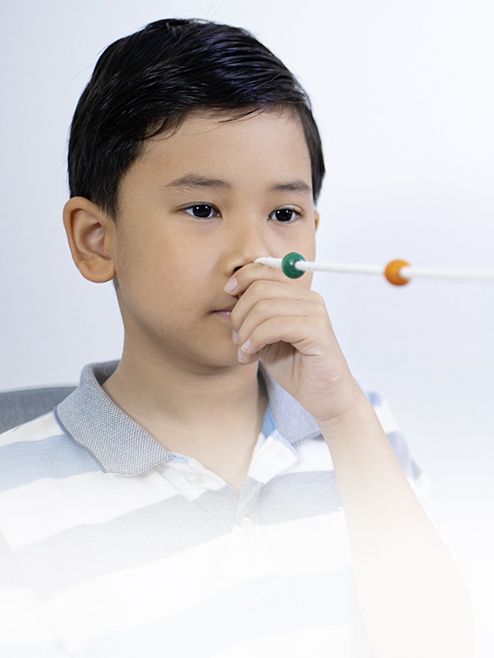
Vision therapy is a series of doctor directed eye exercises that improve how the eyes work together, track, focus, and process visual information. Someone can pass a vision screening, but still struggle with poor hand-eye coordination, reading problems, attention, strabismus, convergence insufficiency, and amblyopia —all of which can be effectively addressed through vision therapy.
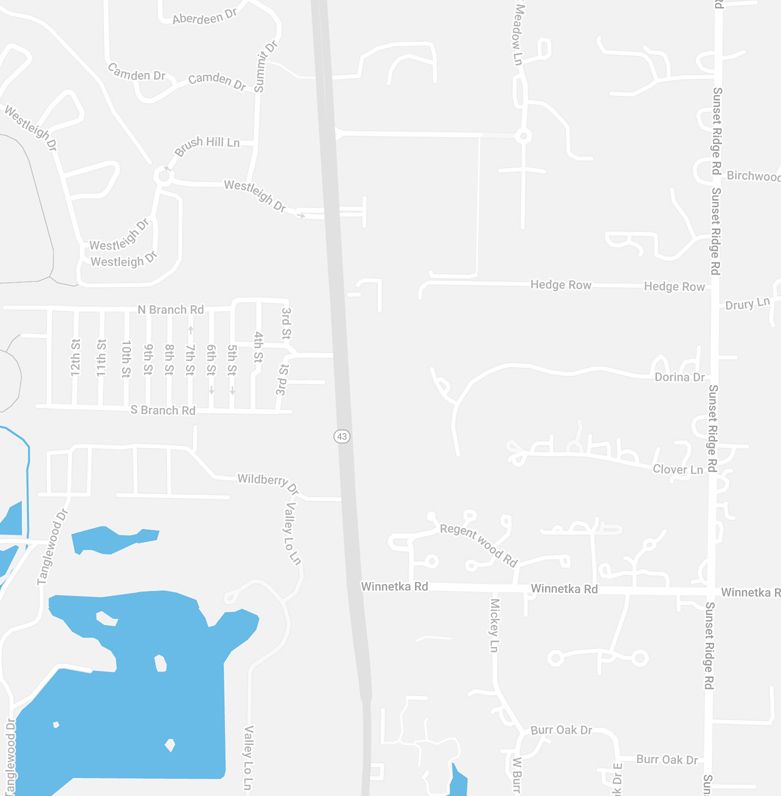
We also proudly serve the neighboring cities of Glenview, Wilmette, Winnetka, Northbrook, Glencoe, Kenilworth, Skokie, Niles, Deerfield, Evanston, Highland Park, Morton Grove, and Chicago.




WHAT WE TREAT




TEAM
Meet The Doctors

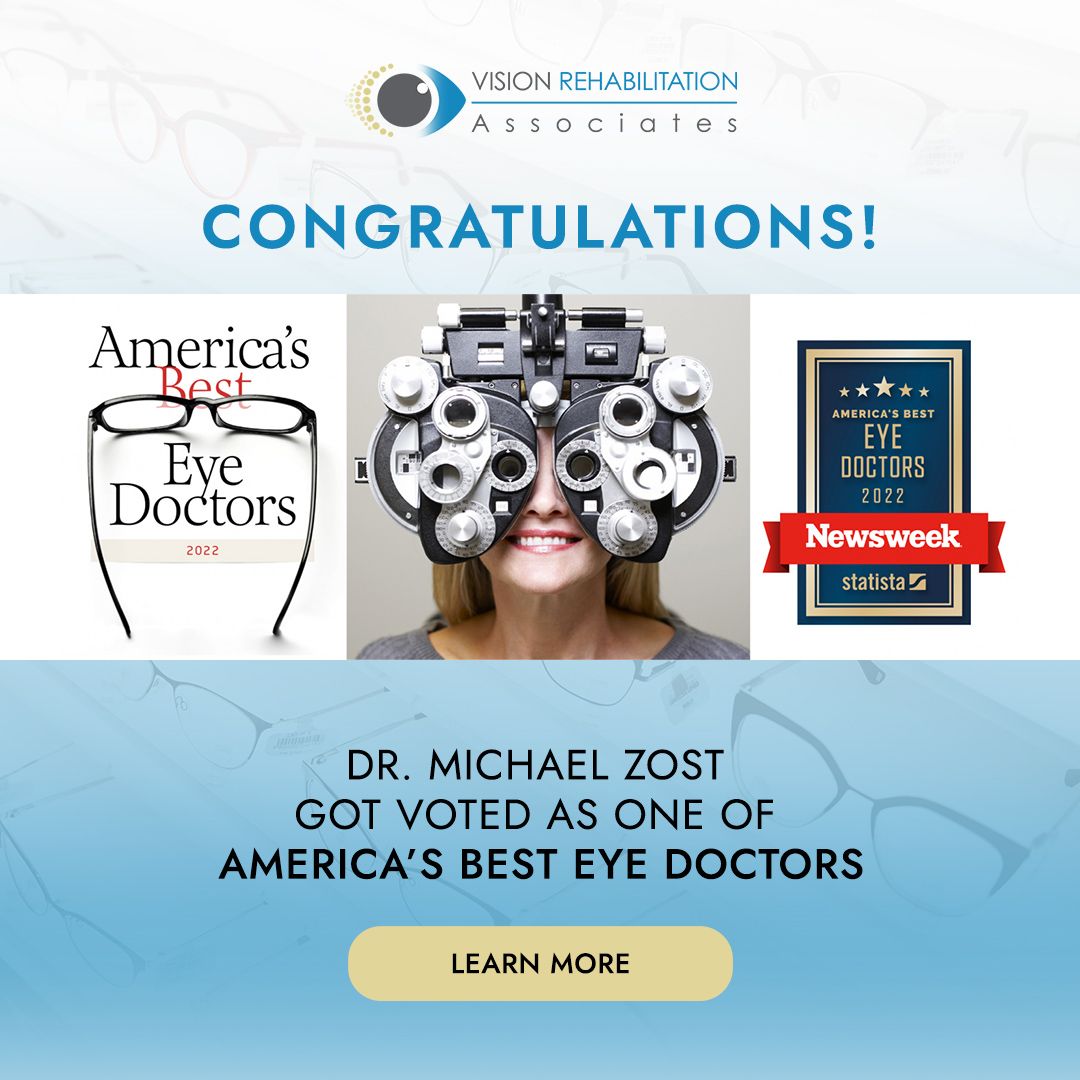
Michael Zost, O.D., FAAO, FCOVD
Dr. Michael Zost, has served as an Associate Professor of Optometry at the Illinois College of Optometry in Chicago since 1986 where he also received his doctorate of optometry degree. He then completed a residency in Rehabilitative Optometry at the Northport VA Medical Center in Northport, New York with emphasis on primary care, vision therapy, contact lenses and low vision.

Marsha Sorenson, O.D., FAAO, FCOVD
Dr. Sorenson graduated from the Illinois College of Optometry, where she was awarded the COVD Excellence in Vision Therapy Award, and the Luckhardt Memorial Scholarship. After graduating she completed the prestigious Irwin B Suchoff Residency program in Vision Therapy and Rehabilitation at SUNY State College of Optometry in New York City.
BRANDS
Brands We Carry


TESTIMONIALS
What Our
Patient Say
Dr. Sorenson was fantastic! I went in for an eye exam and the entire staff was friendly and helpful. I felt very well taken care of. Highly recommend!
Ryan K.

Dr. Zost has helped my wife find perfect prescription post her stroke. We have been seeing him for 8 years now coming all the way from India. It has been worth it.
Tyler G.

© 2024 Vision Rehabilitation Associates. All rights Reserved | Accessibility Statement| Privacy Policy | Sitemap
Powered by: